
Sky to Forest
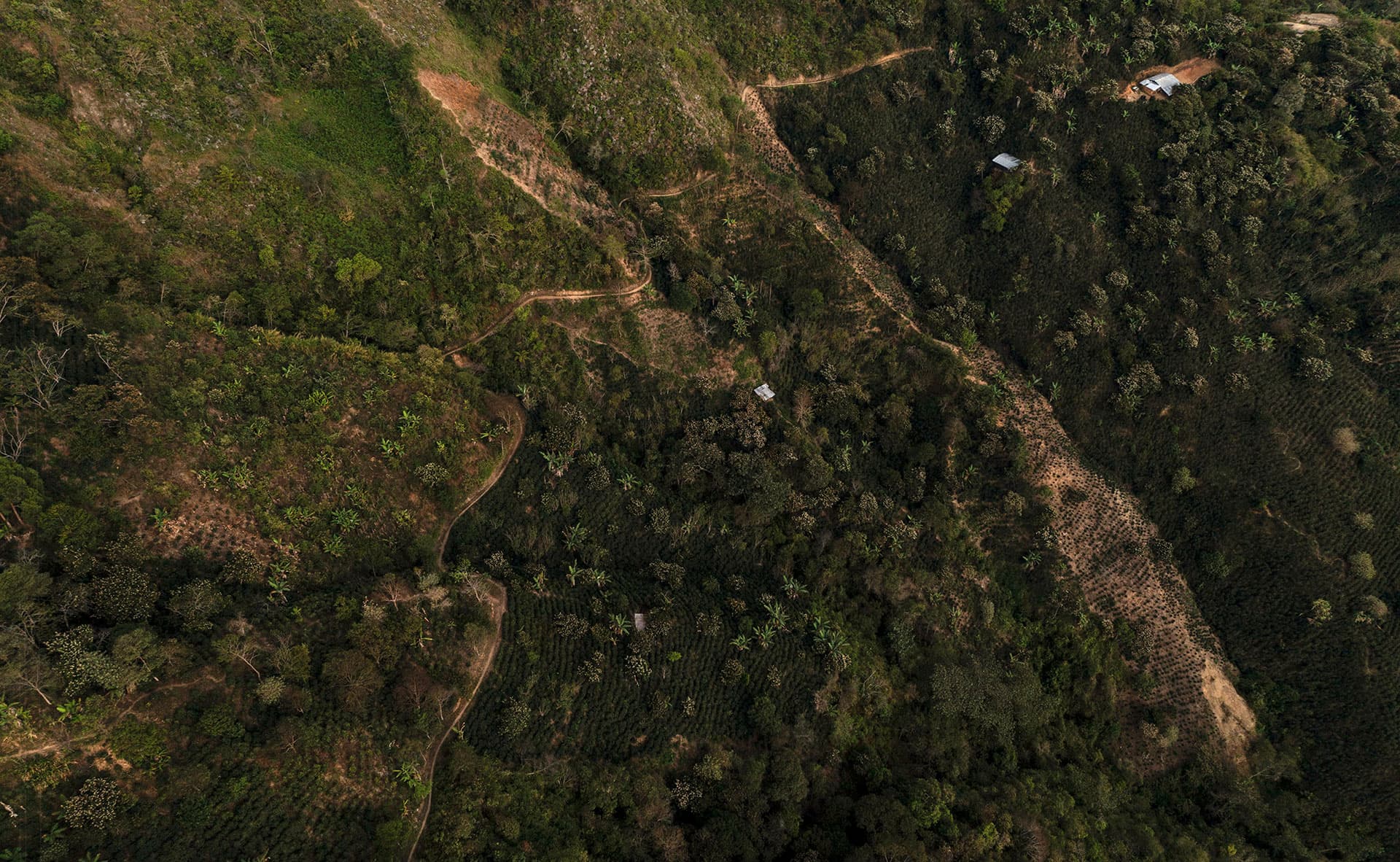
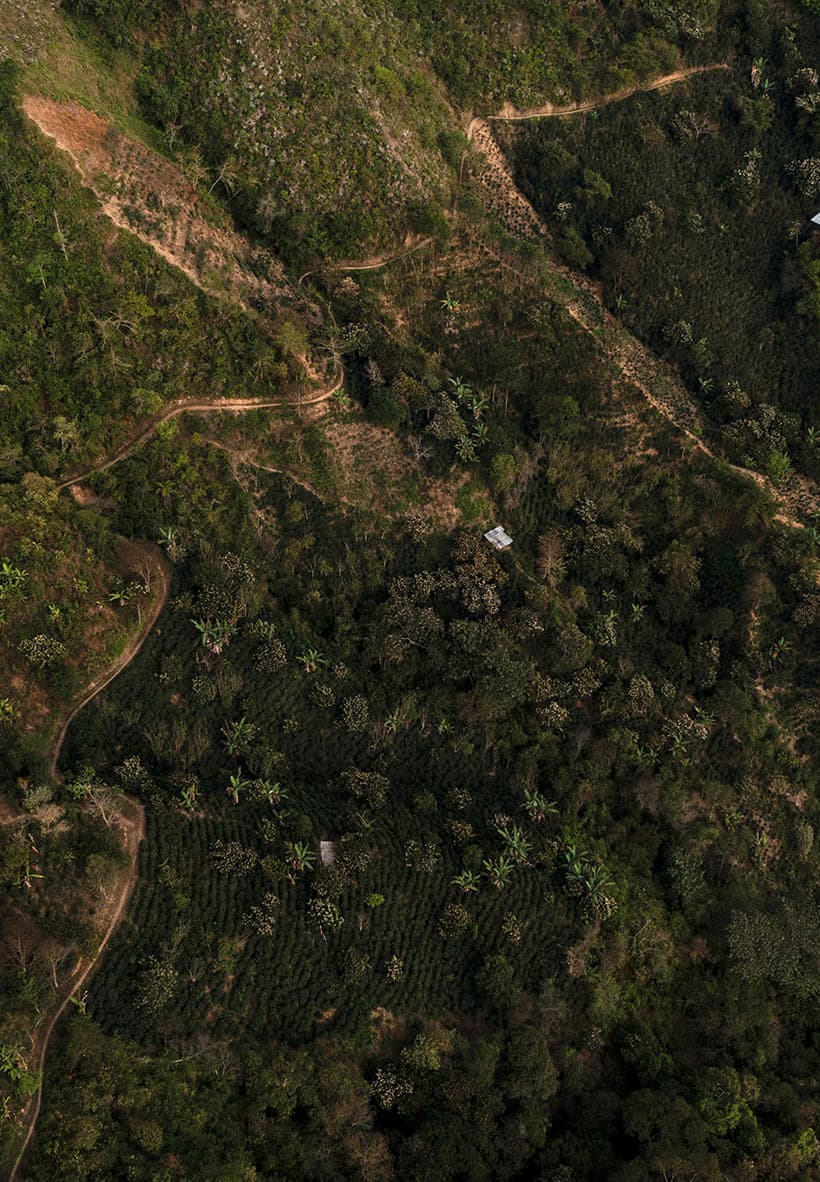
This is a journey through the history, the communities and the cloud forests that shelter the few surviving cinchona trees in our territories. We decided to walk it to follow their traces in the natural world and understand their heroic existence.
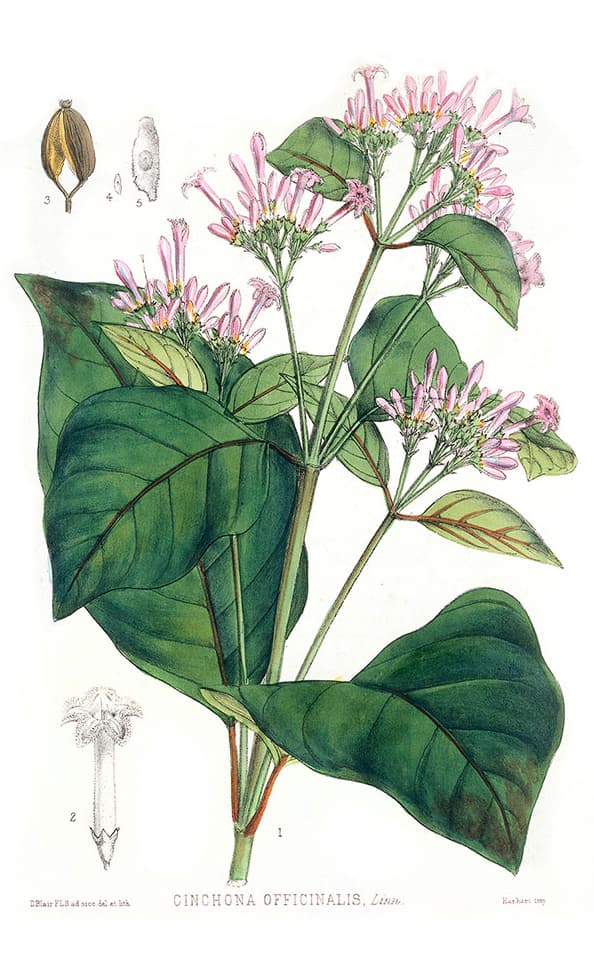
The cinchona tree, whose bark has saved more human lives than any other in history, was thought to be extinct until two decades ago.
Its habitat, a long forested strip between the Andes and the Amazon, is now threatened by climate change and predation.
Quinine exists as a hinge between ecological floors, memory and world-system visions.
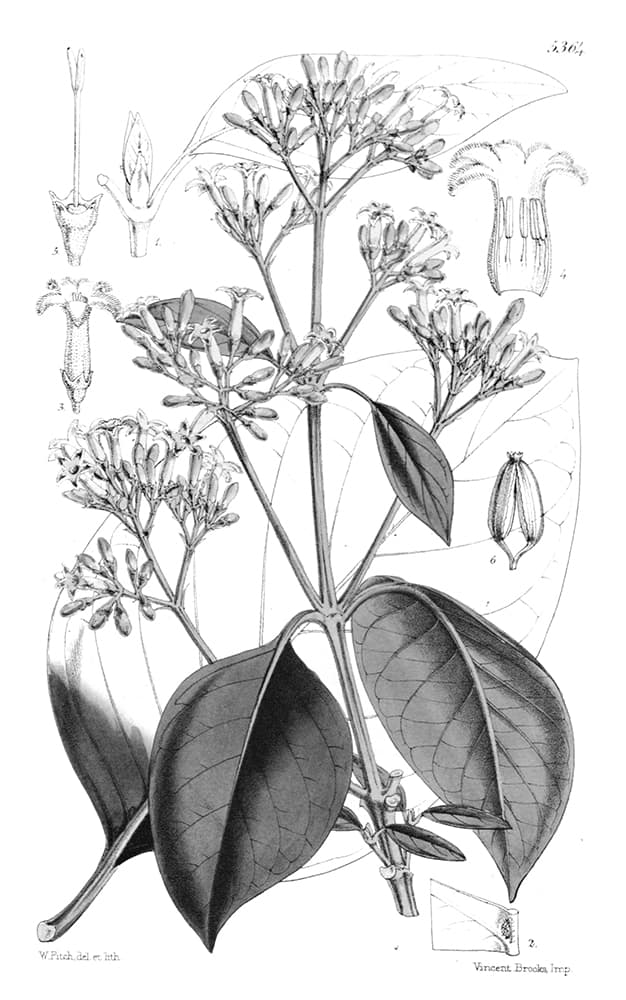
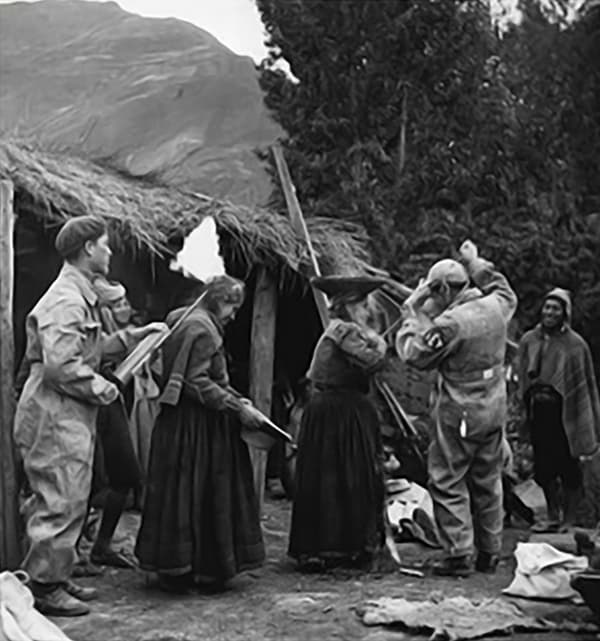
Quinine, one of the 35 alkaloids of the cinchona tree, was identified as a febrifuge by 19th century scientific expeditions in search of resources. Its "discovery" - it was already known to the indigenous peoples - prompted the conquest of these "exotic lands". This is how the imperial armies managed to defeat their greatest obstacle and enemy: malaria.
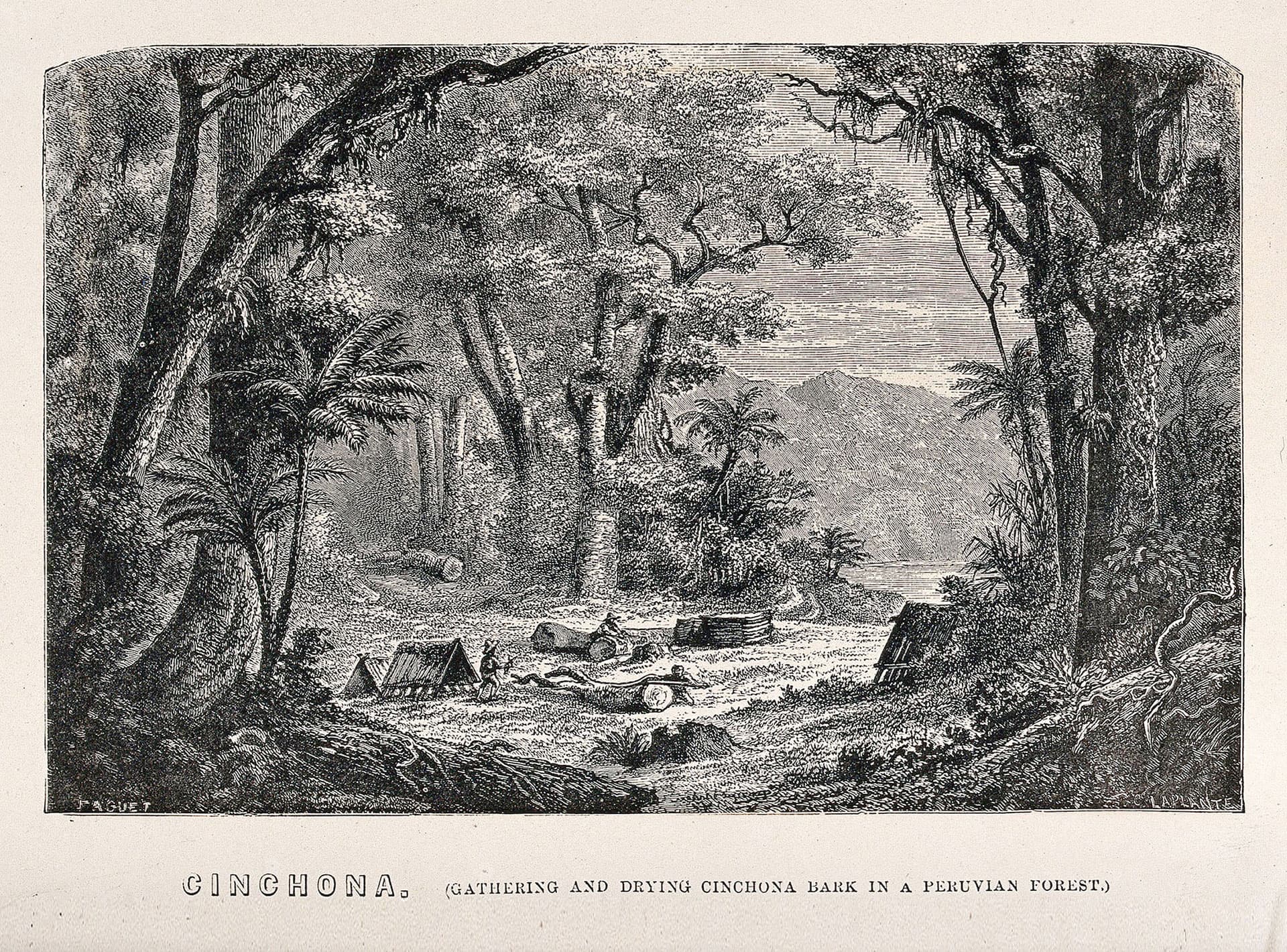
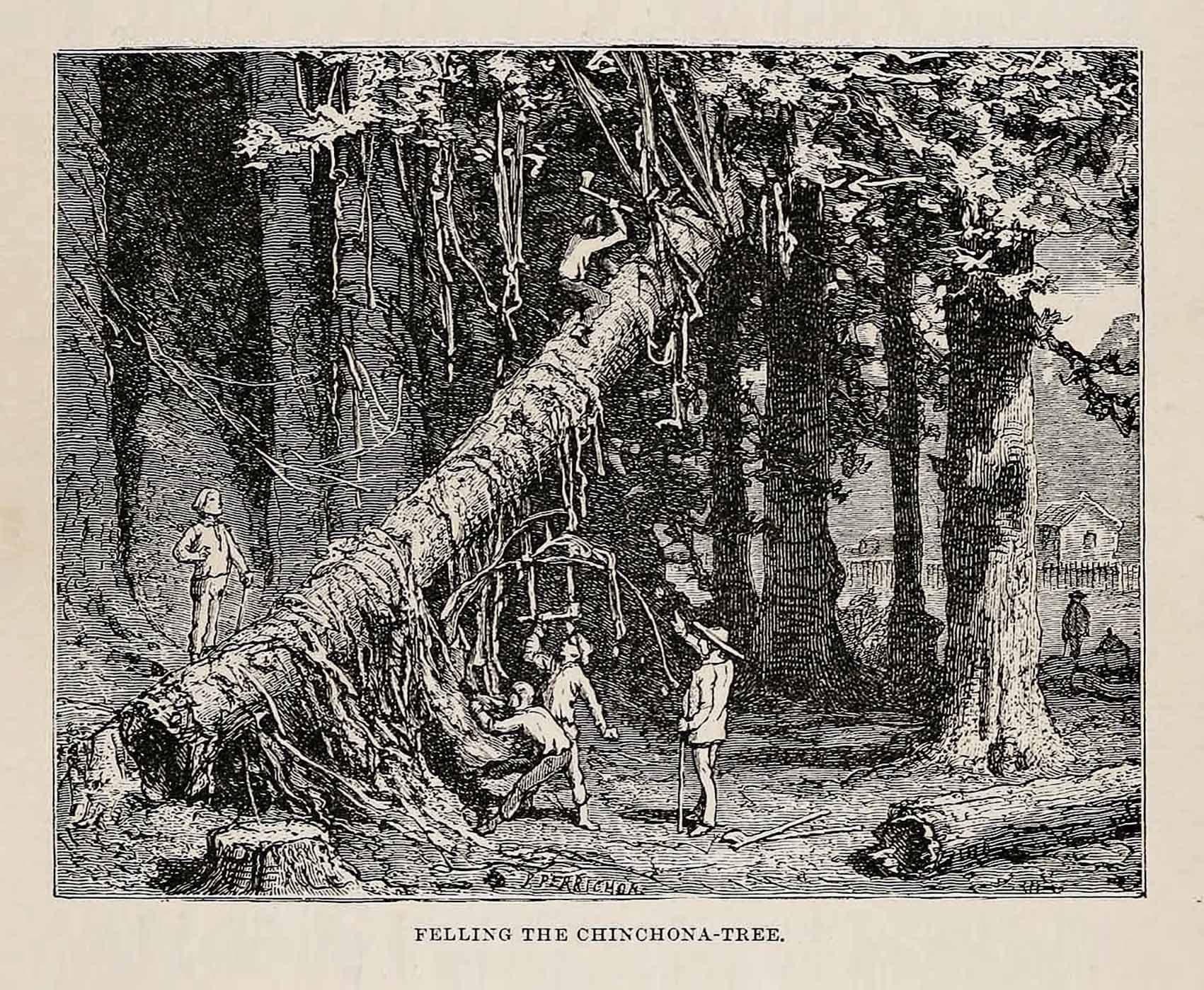
In the 19th century, Peru occupied a place in the world economy as a raw material quarry. The empires of the North Atlantic demanded Cinchona for the pharmaceutical trade. This led to the biopiracy of seeds destined for Africa and Asia. At the same time, successive Peruvian governments and local agents encouraged the excessive exploitation of the resource: tons of bark were ripped off and indiscriminately cut down.
“Rustic wisdom
of the bark
of the aerial tree
that rises
above the stars"
Pedro Favaron
After overcoming the uncertainty generated by centuries of predation, we found some specimens. We then entered a world of immemorial knowledge about fullers and macerates to process and preserve its bark. We discover the wisdom of the communities twinned with the cascarilla.
Demetrio Chávez
Farmer and connoisseur of the native flora
Community of Querocoto, Cajamarca
Demetrio wants us to plant native trees and not species brought from other places, such as pine or eucalyptus. In addition, he explains how quina is used in the communities.
Fátima Marcelo
Forestry Specialist
Baños del Inca Agrarian Experimental Station, Cajamarca
Fátima knows that the quina, because of its harmonious link with the forest and its ability to store water and purify the air, is crucial to mitigate climate change. The potential of this tree for communities and researchers is immense.
César Lucero Huamán
Farmer and ecologist
Peasant community of Kañaris, Lambayeque
To encourage the propagation of Cinchona in its natural habitat, César has created the Shumaq Quina nursery in his home. In the forests near Kañaris he rescues saplings or small wild plants and moves them to more suitable locations.
Nataly Allasi Canales
Evolutionary biologist, researcher of Andean and Amazonian plants.
PhD from the University of Copenhagen
Nataly analyzes the biodiversity and climate change crisis. In her work, Western science and ancestral knowledge complement each other to find solutions to these challenges.
Neptalí Fernández
Farmer and defender of quina
La Cascarilla farming community, Cajamarca
Neptalí yearns for the regeneration of the quina where it once proliferated and is now reduced by the expansion of the agricultural frontier. Recovering the Cinchona is key to ensuring the water supply in the area and beyond.
Franklin Fernández
Forestry engineer and cinchona researcher at the National University of Jaén.
La Cascarilla Peasant Community, Cajamarca
Encouraged by his parents' enthusiasm to rescue the quina tree, Franklin studied forestry engineering. Now he is helping to alleviate agro-ecological tensions in his community thanks to the technified propagation of the Cinchona.
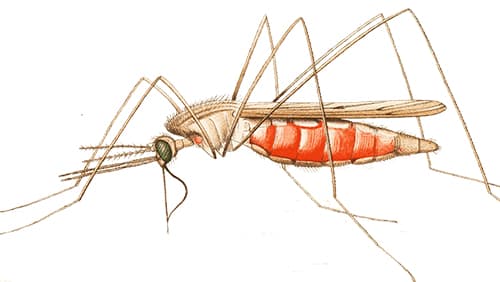
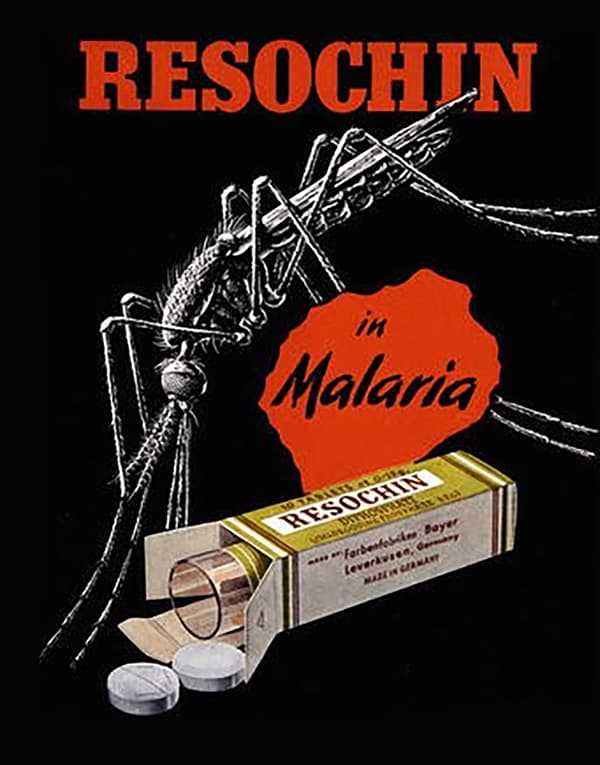
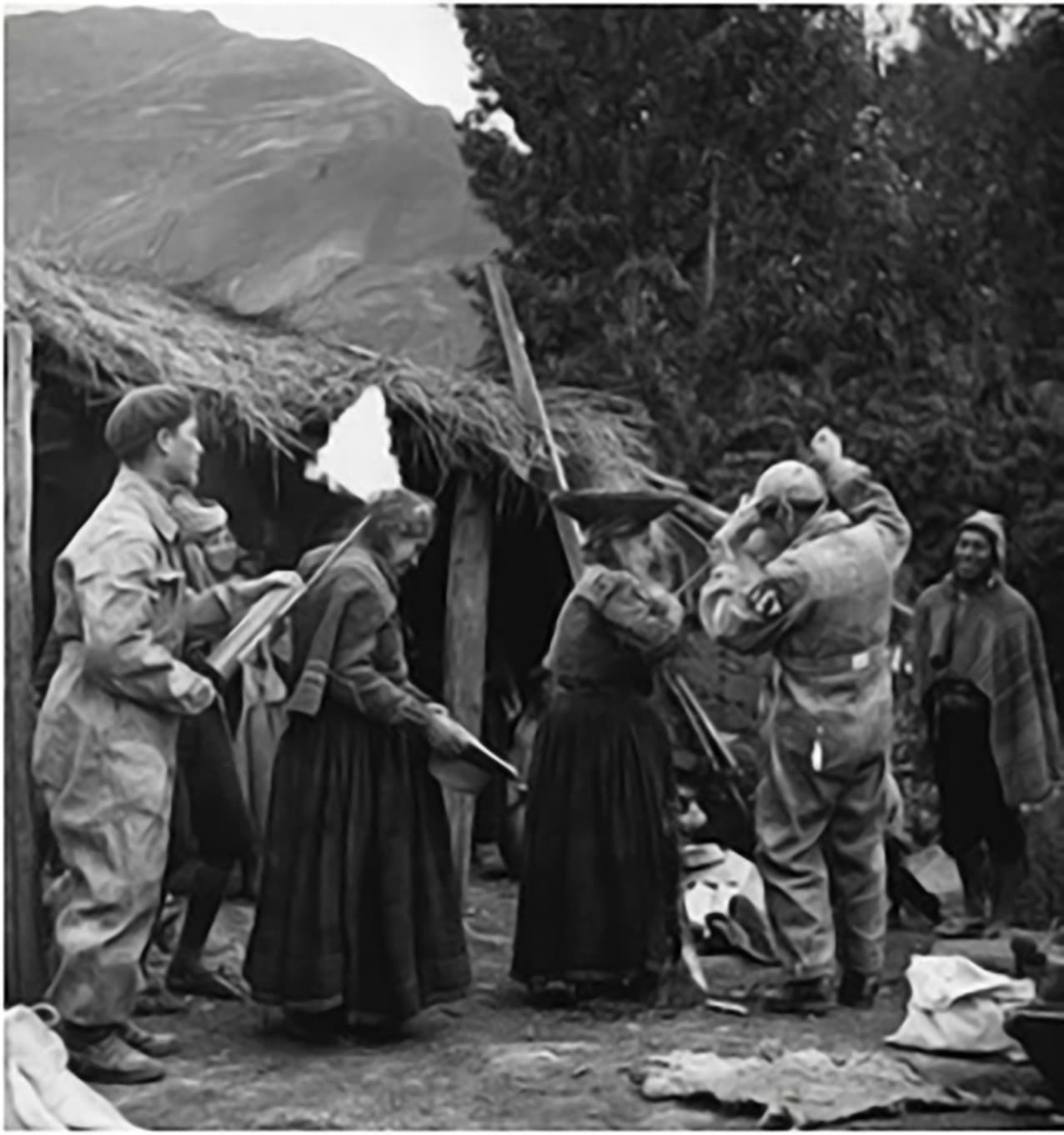
Malaria could have wiped out half of all humans on the planet. The use of quinine in the 19th and 20th centuries served to prevent it, while allowing the advance of imperial armies. The history of Cinchona and antimalarial medicine came together in the capitalist interest to act under the now questioned slogan of "dominating nature to dominate societies".
Mosquito/Malaria
Read +One of the great medical debates in the West was to determine the properties of quinine. In 1677, after decades of controversy, the medicinal effects already validated by indigenous cultures since undated times were recognized in England.
Whether or not there was malaria in America before the conquest is the subject of controversy: some researchers maintain that it arrived with the Europeans and Africans in the 16th century; others, that it already existed, due to the exchange between Australasian populations and our side of the Pacific. Beyond the definitive answer, it has been proven that ancient societies used Cinchona derivatives to treat various symptoms.
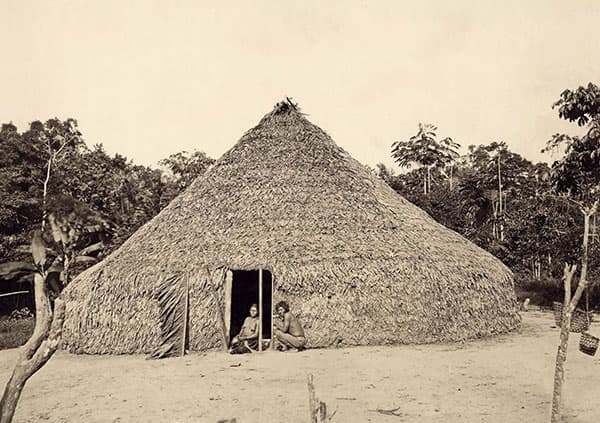
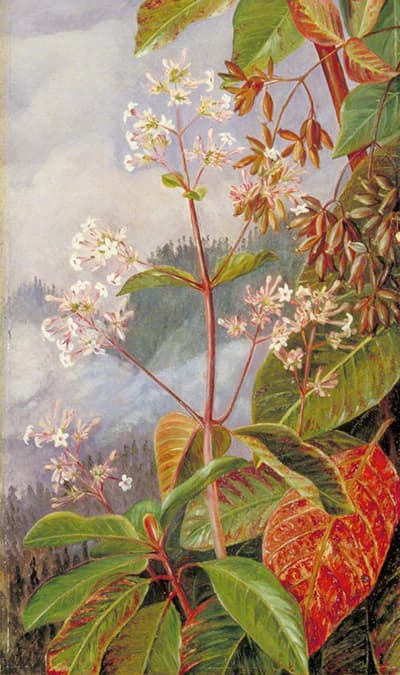
Imperial Career
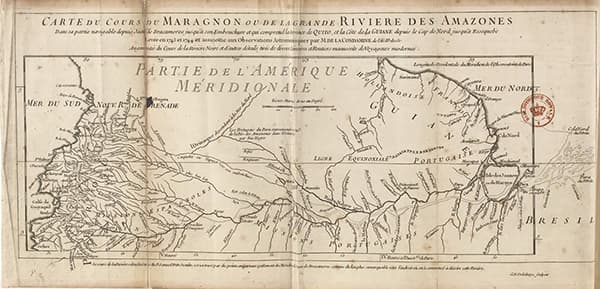
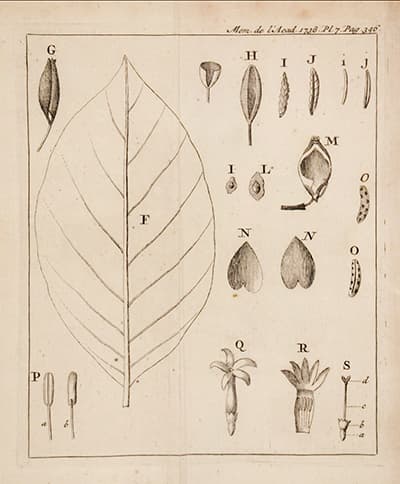
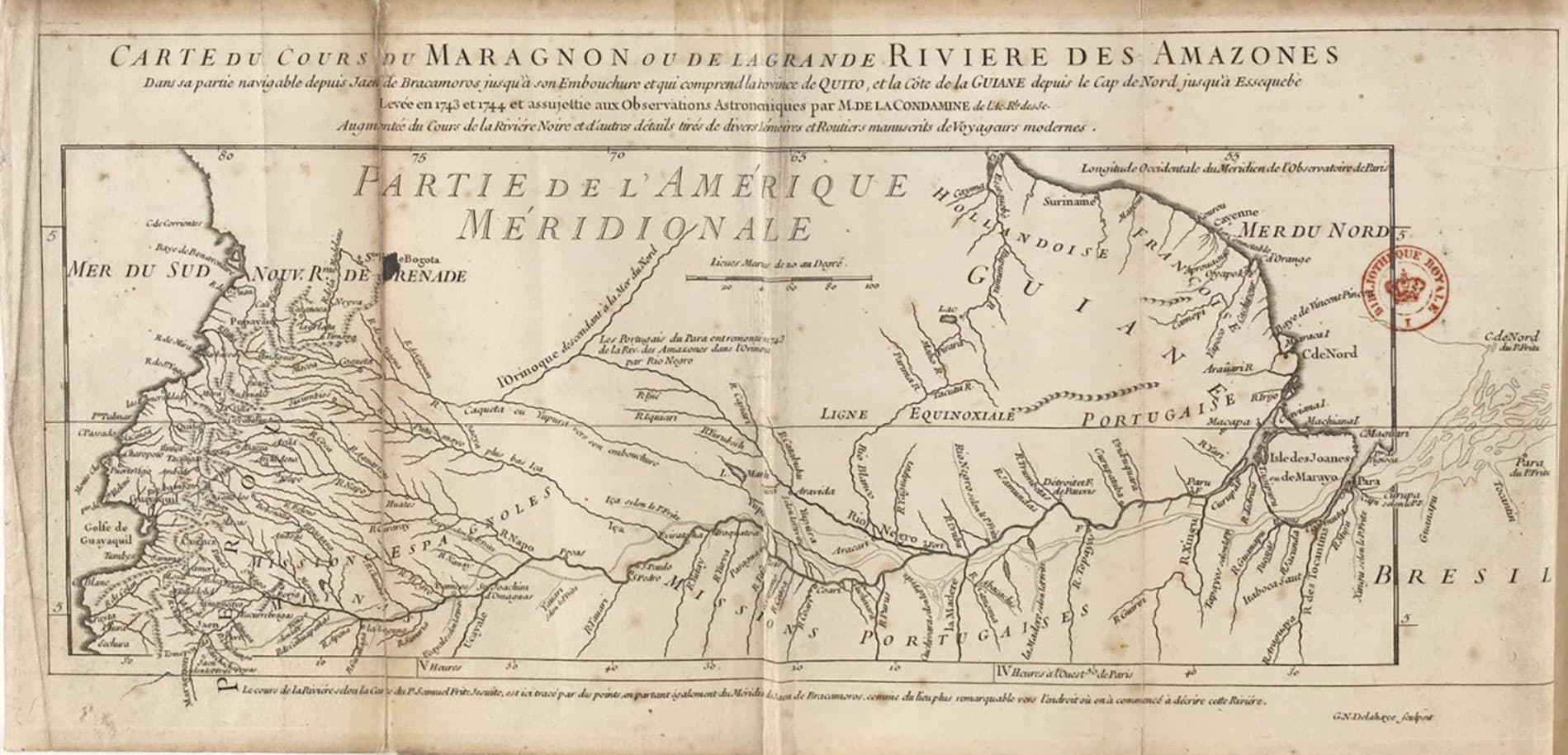
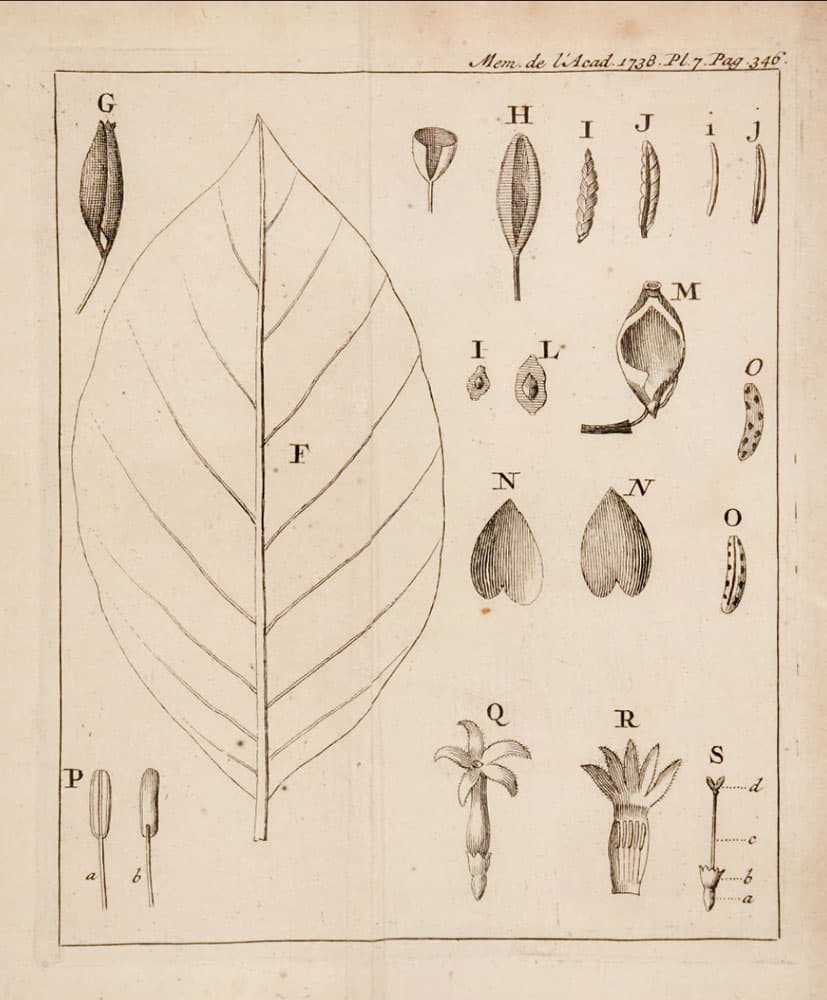
Read +The reconnaissance and colonization voyages from Europe to America increased exponentially: in 1800 there were about 20; in 1850, about 100; and in 1900 they almost doubled. One of the first European forays interested in the cinchona tree was the Franco-Hispanic scientific expedition of 1736.
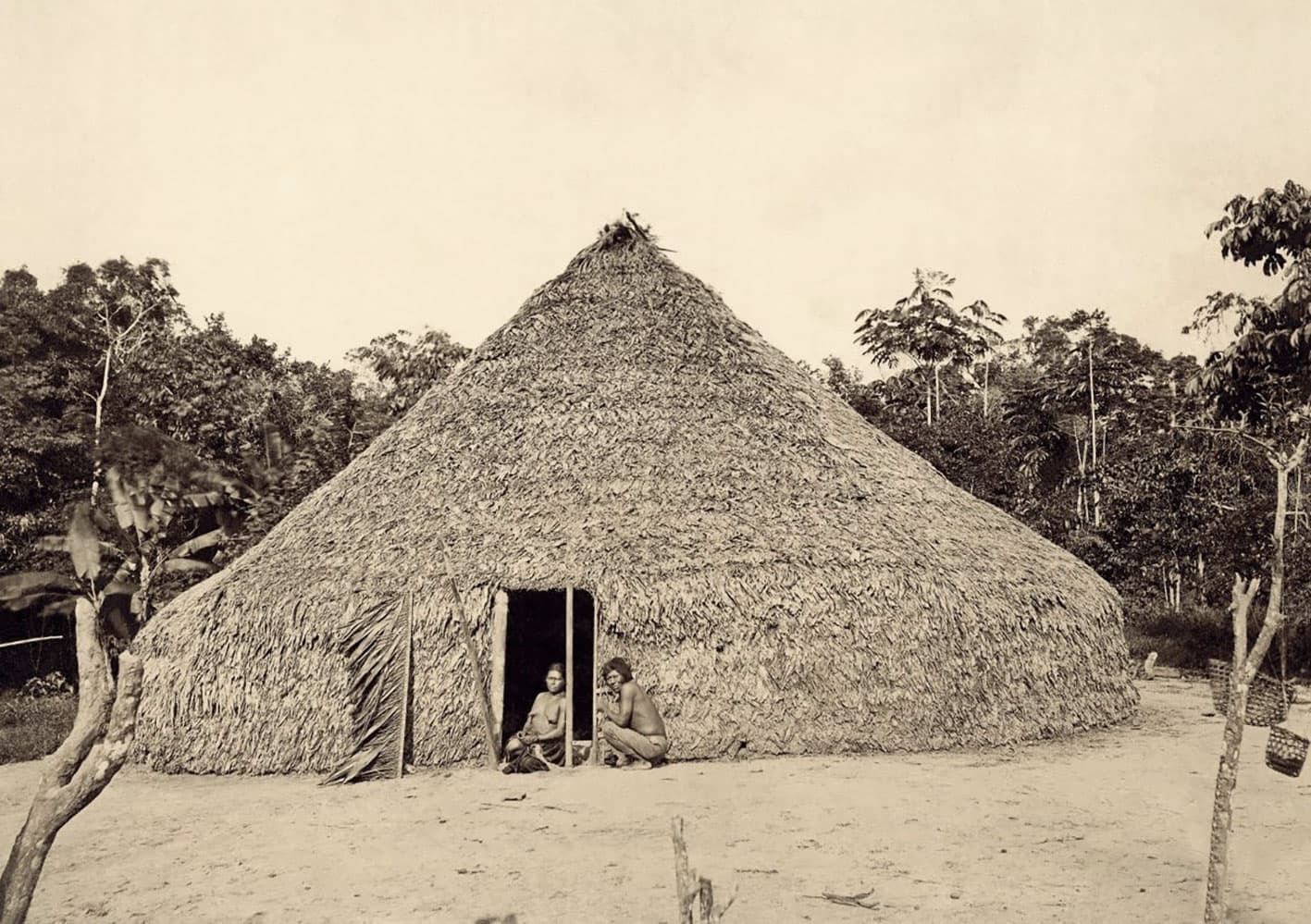
Led by Charles-Marie de la Condamine (Paris, 1701-1774), the voyage, which began in Ecuador and continued through Peru until 1743, marked the race to explore territories that could be colonized. Through geodetic measurements and environmental, topographical and species descriptions, interest in the geography and botany of our continent was also encouraged.
Ecocide
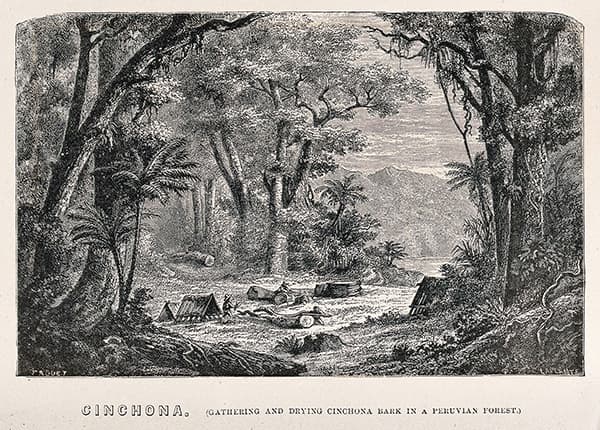
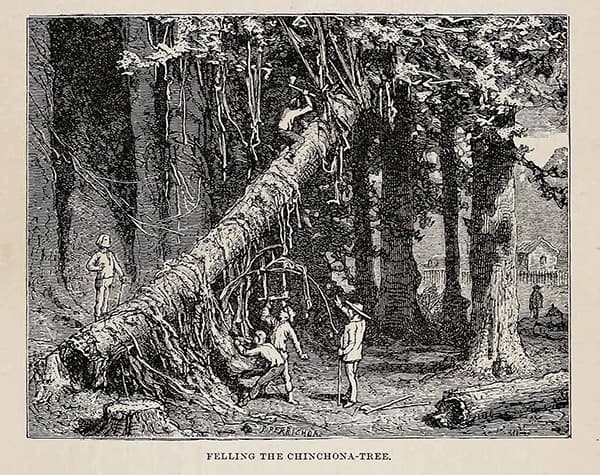
Read +It is estimated that between 1752 and 1796 more than 11 million cinchona trees were felled in the territories of Peru and Ecuador. The figure was calculated by José Celestino Mutis (Cádiz, 1832-Bogotá, 1808), a botanical scholar established in present-day Colombia, who based his calculations on records of the shipments that departed from Callao and arrived at the port of Cádiz, Spain.
EIn Peru, the ecocide intensified when in 1845 the government of Ramón Castilla opened roads in the Amazon. An escalation of exports began that rarely fell below 200 MT per year, with peaks of more than 800 MT in 1881-1882. Exploitation of the resource collapsed in 1898.
Biopirateria
Read +In the early 19th century, English botanists set out to bring the cinchona tree from the cloud forests of the Andes to India (Britain was having difficulty colonizing that region due to malaria decimating its armies). Using Ward's boxes or terrariums, which keep plants alive on transoceanic voyages, they achieved their purpose.
Legend has it that gin and tonic came from a concoction prepared for British soldiers and officers with the bark of this tree. The truth is that the cocktail emerged in recreational spaces in Europe and not in mosquito-infested fronts of conquest.
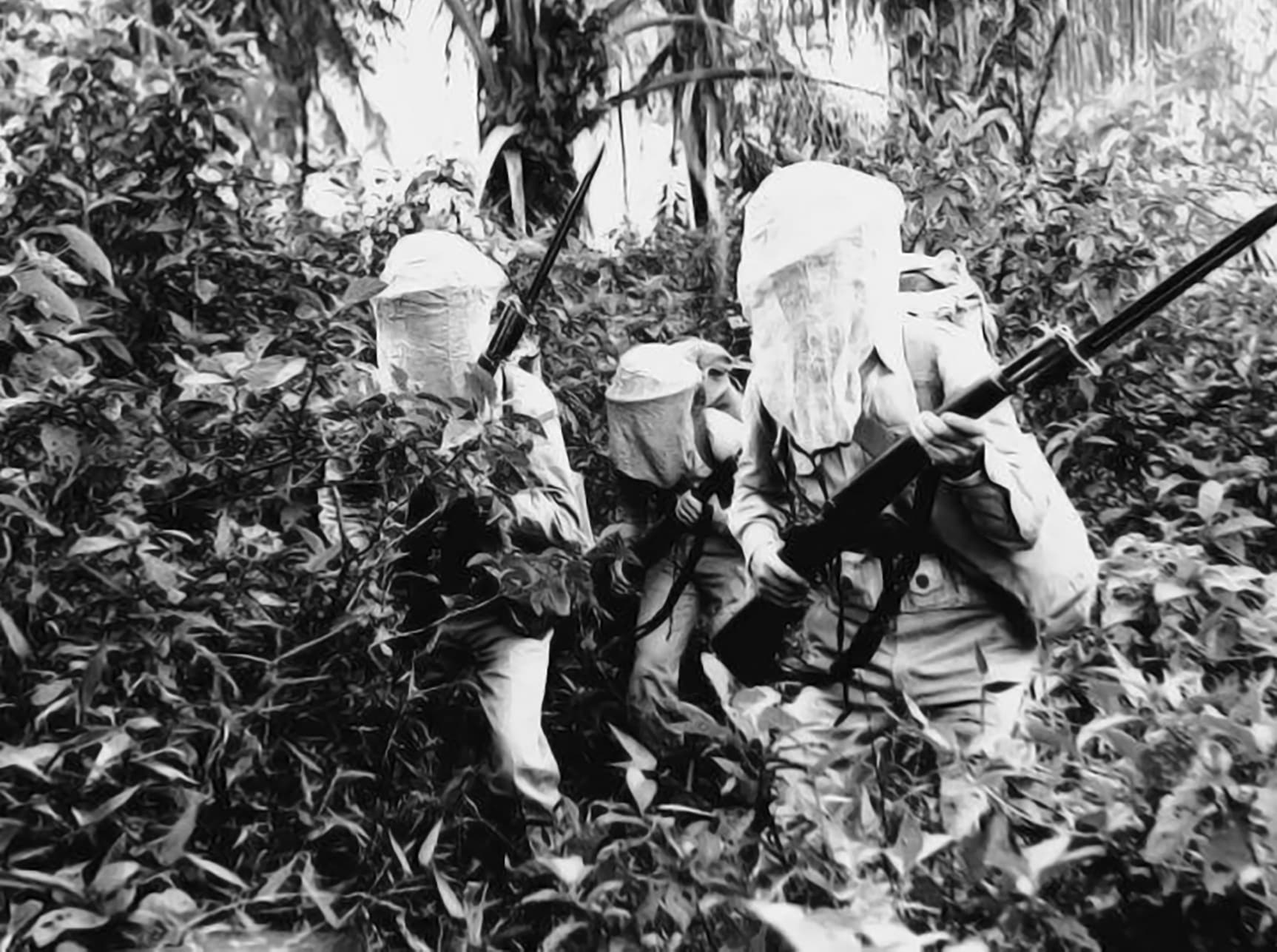
In times of industrial espionage and seed appropriation, it was the Dutch who achieved the massive cultivation of cinchona trees in their Indonesian colonies. From about 1865 until Japan invaded those fields in 1942, during World War II, almost all the bark traded came from those colonies. The geopolitics of the Asian front ended up having repercussions on the quina reserves in the Andes. After the ecocide, the last bastions of Cinchona lay quietly... until the covid-19 pandemic.
Modern Medicine
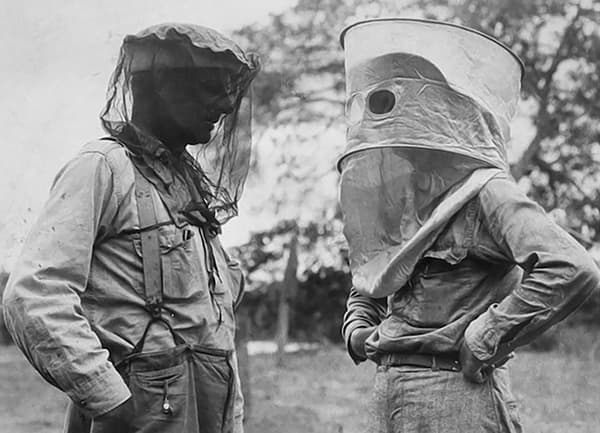
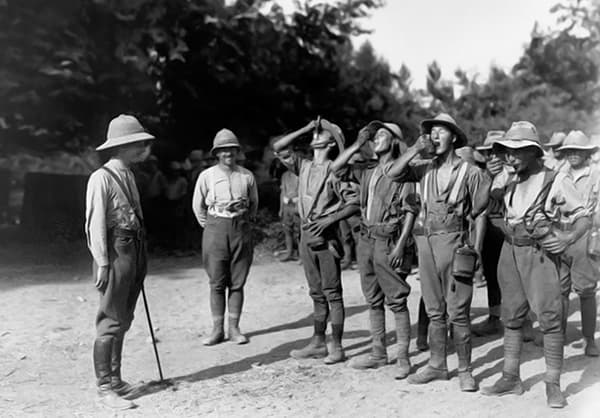
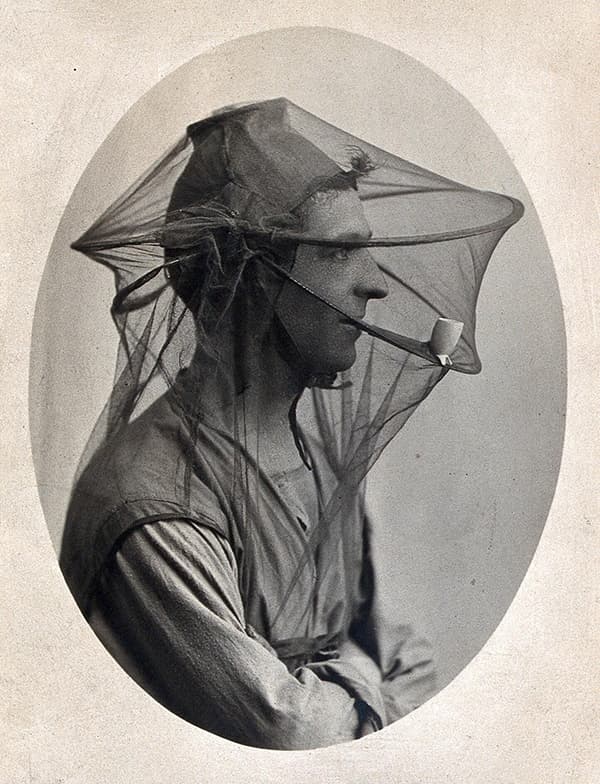
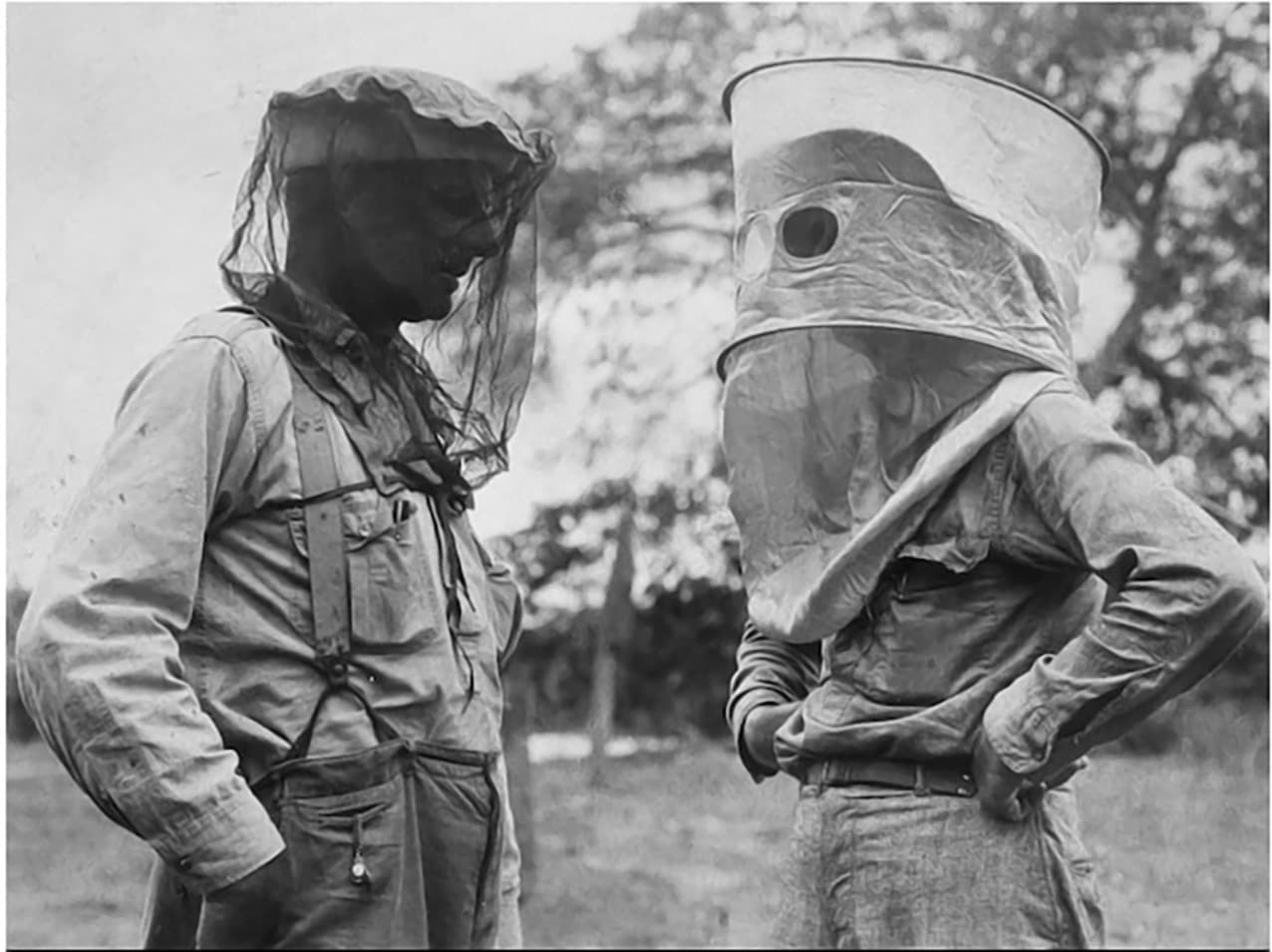
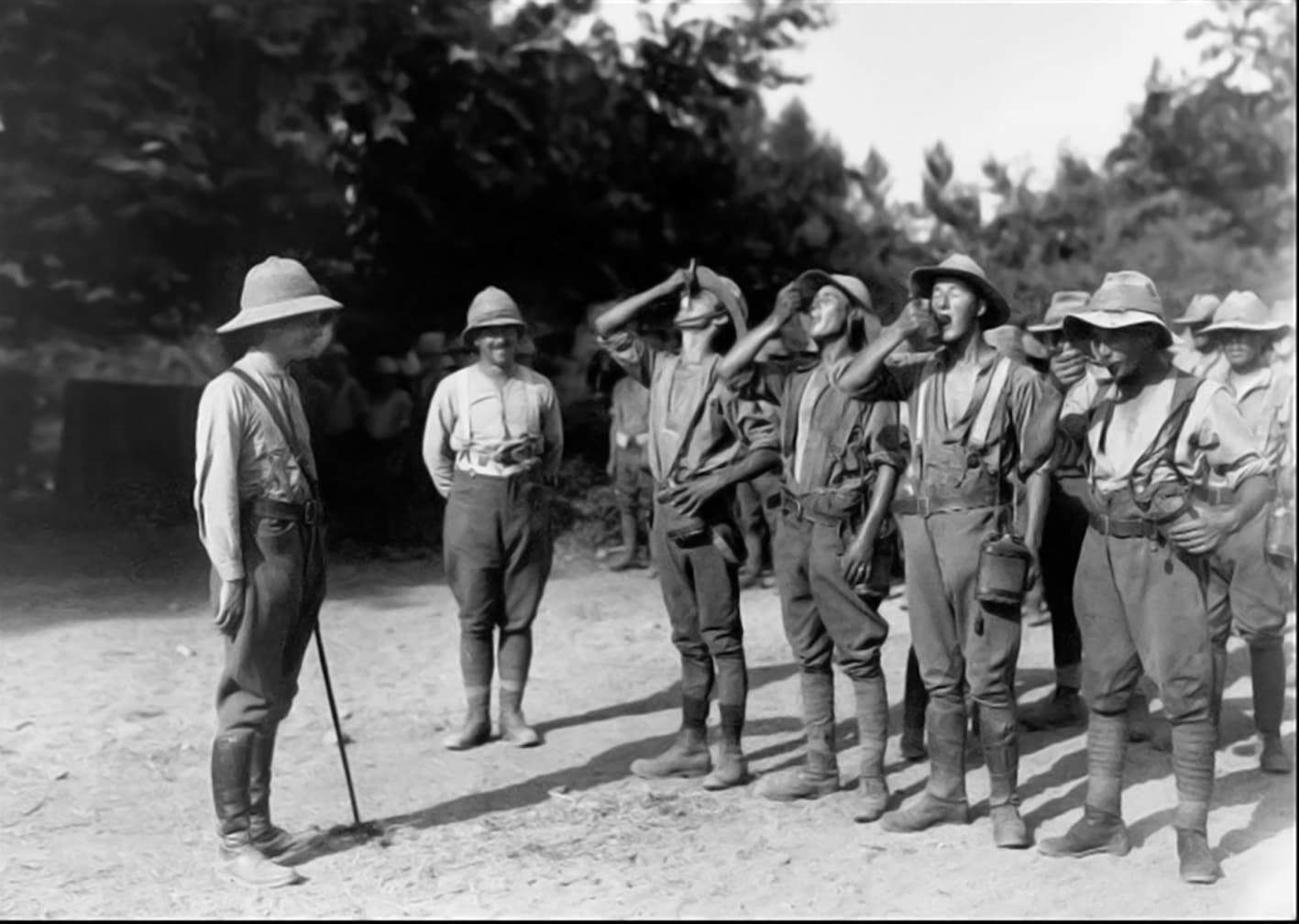
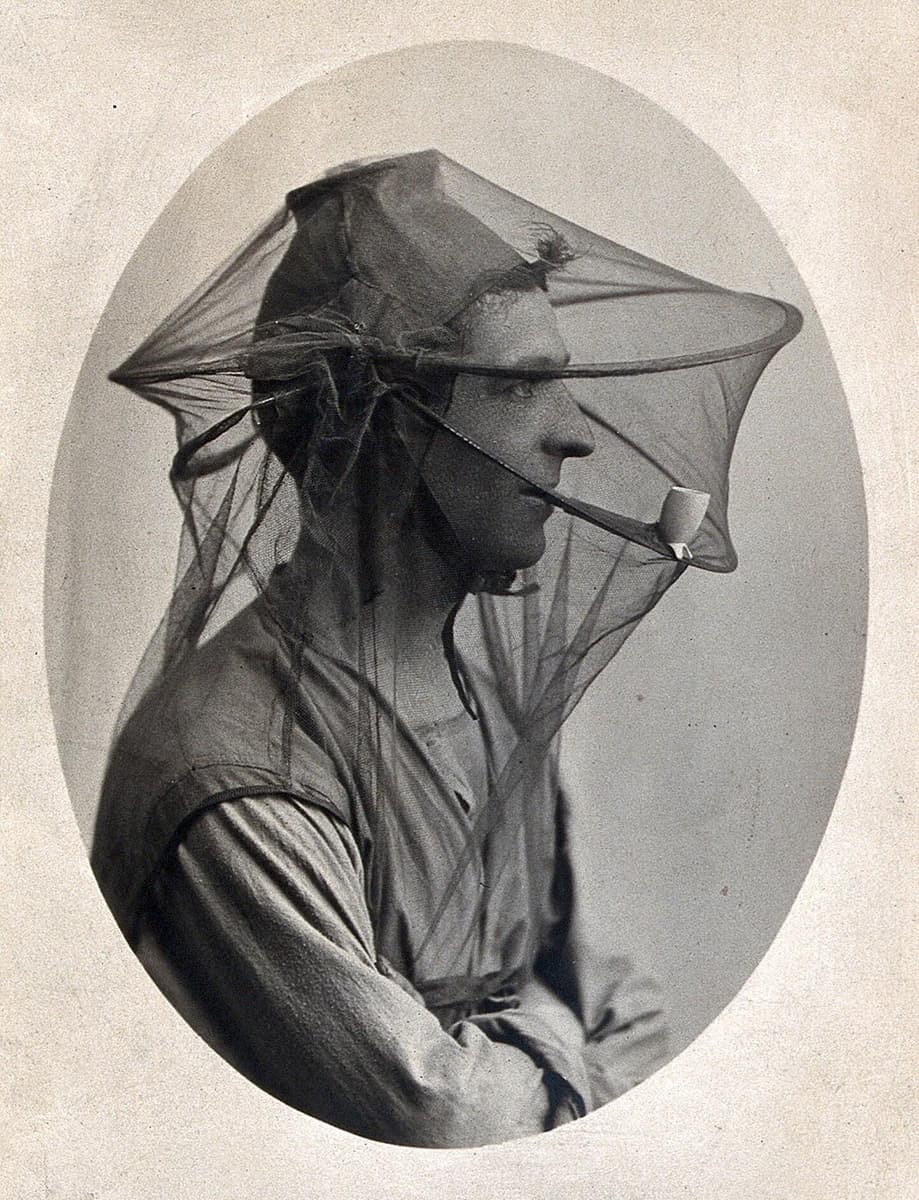
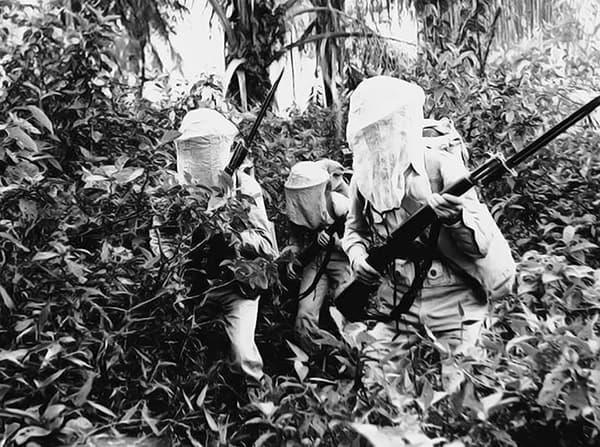
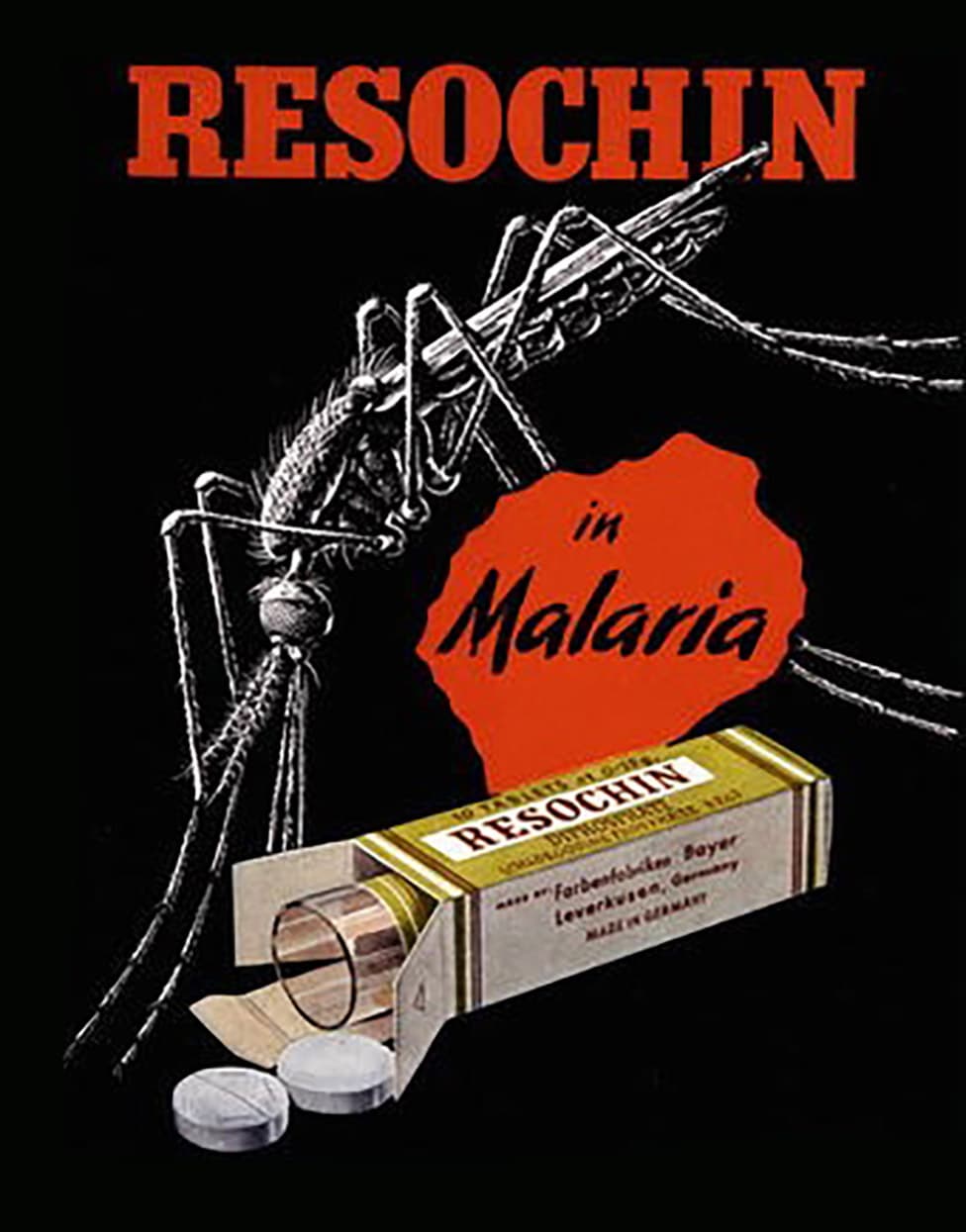
Leer +Mal-aria, ‘bad air’, was the ancient name for what we now call malaria or malaria, a disease that, they said, emanated from paludes or places of stagnant water. At the end of the 19th century, European scientists identified that, instead, it was transmitted by a mosquito parasite, Plasmodium. Progress against this disease began in 1820, when a Parisian laboratory chemically isolated quinine and cinchonine.
In the 1930s-1940s, since the proliferation of chemical syntheses such as hydroxychloroquine and the creation of dichloro-diphenyl-trichloroethane (DDT) used to spray villages and populations, malaria was drastically reduced. Today there is a cure and even a vaccine, but due to economic and social inequalities, millions continue to be infected and hundreds of thousands die from it.
Identity
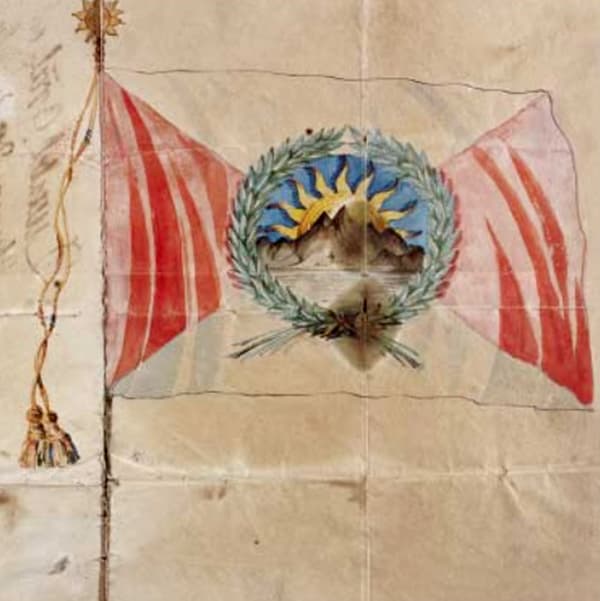
Leer +In 1820, before the official independence of Peru, General José de San Martín devised a red-and-white flag for a country in its infancy but already with patriotic symbols related to its geography. In 1823, with an incipient, fragile and contradictory political system, state officials decided to look for iconography among natural resources. The elites of the time argued that the image of the sun between mountains, chosen by San Martin, was retrograde due to its link with the pre-Hispanic and Andean religion. In 1825, the Congress approved the flag that houses a shield with the vicuña, the cornucopia and the cinchona tree, chosen for its scientific and medicinal prestige, coveted by imperial countries and associated with the concept of "progress", so fashionable in that 19th century.
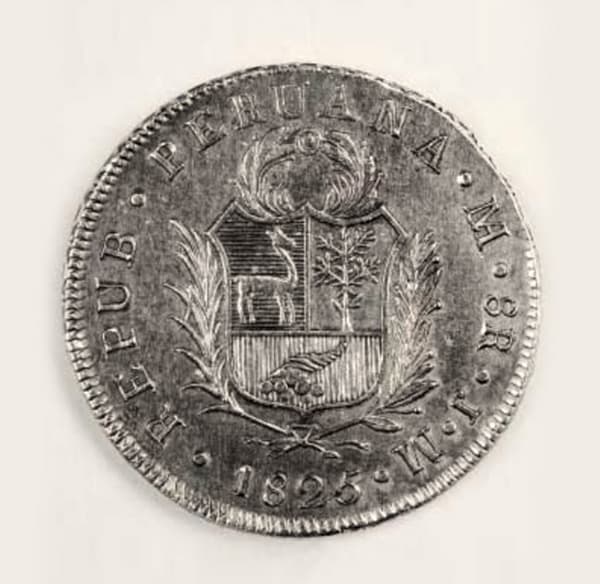
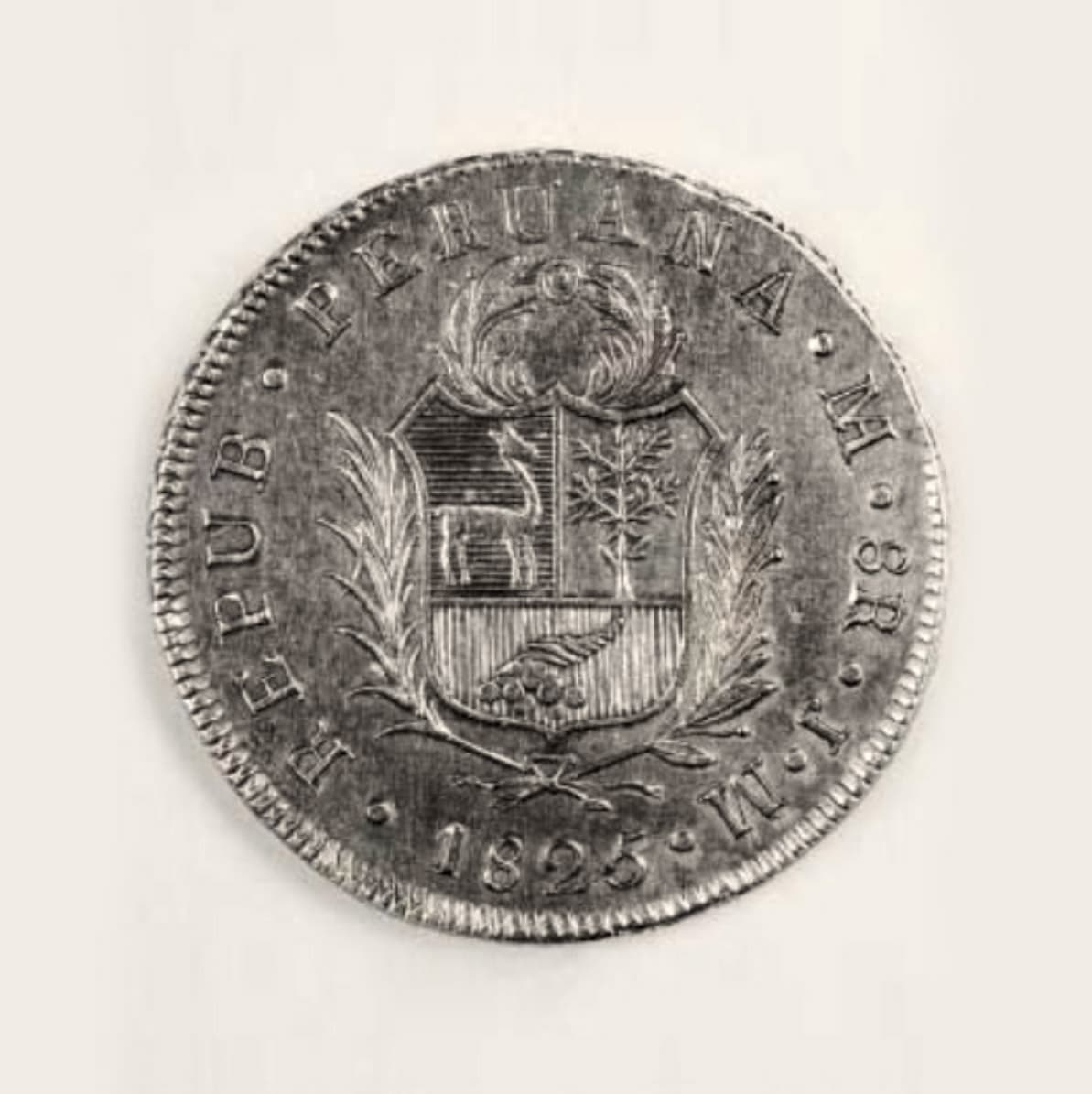
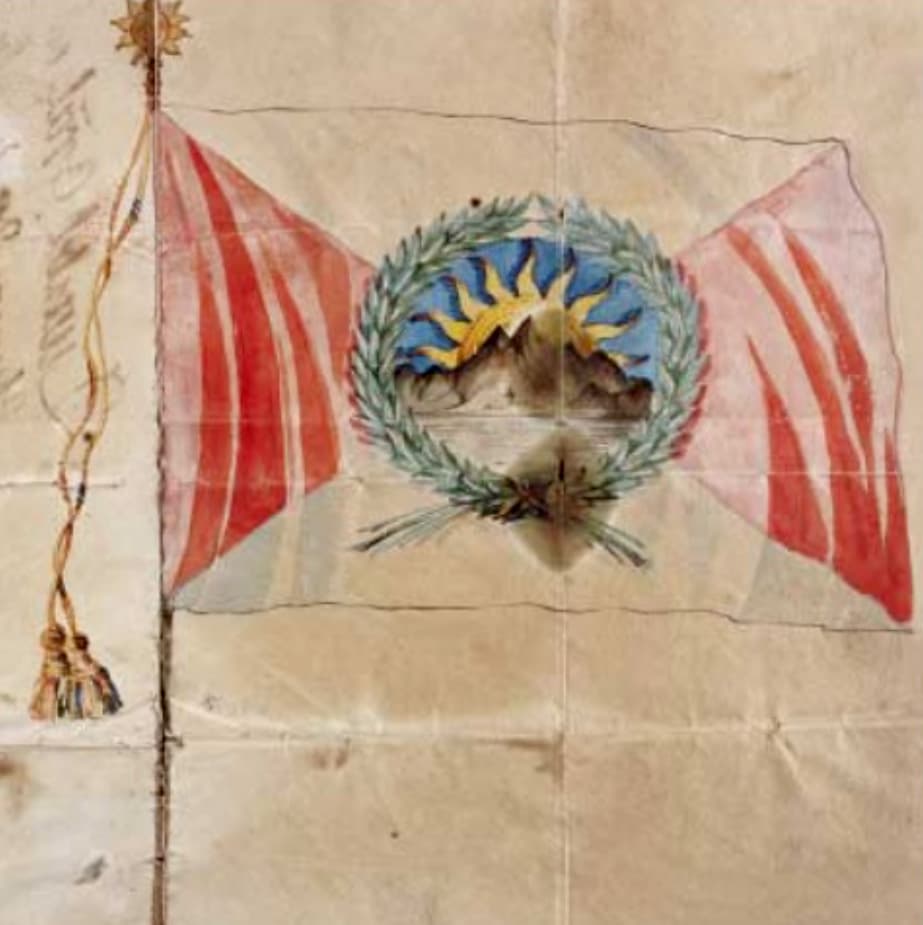
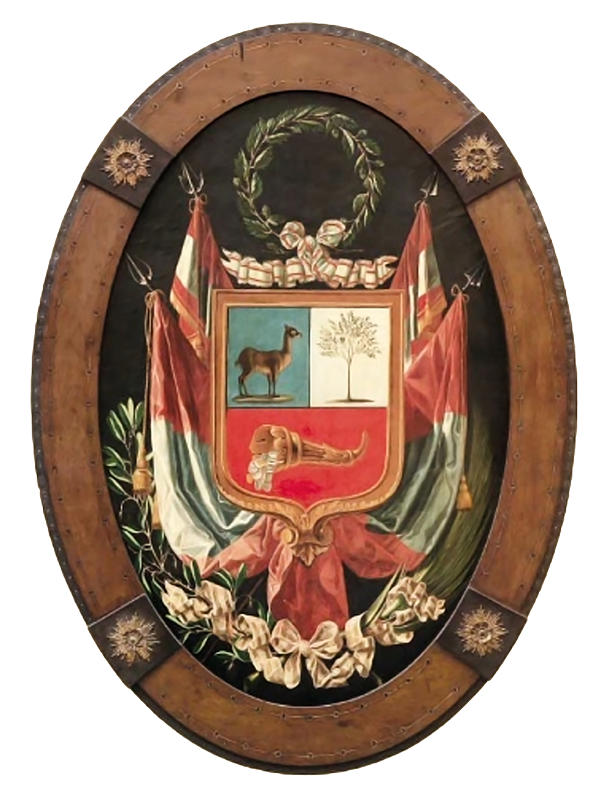
"The cinchona tree in the National Coat of Arms is a symbol of the neglect and mistreatment that we Peruvians give to our natural resources, that is to say, to our patrimony. It is a shameful symbol, it is a daily reproach to our irresponsible ancestors and to our own indolence, which independence did not shake."
Marc Dourojeanni
Global anti-malaria efforts have stalled
Case incidence under two scenarios: maintaining the current trajectory or achieving the Global Technical Strategy for Malaria by 2030.
Quinine in America
Water to Forest
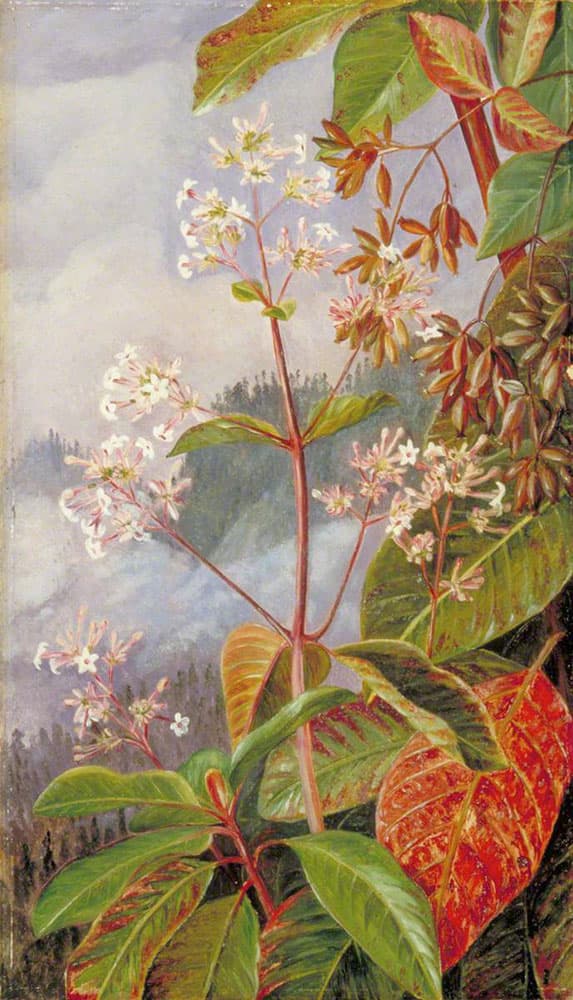
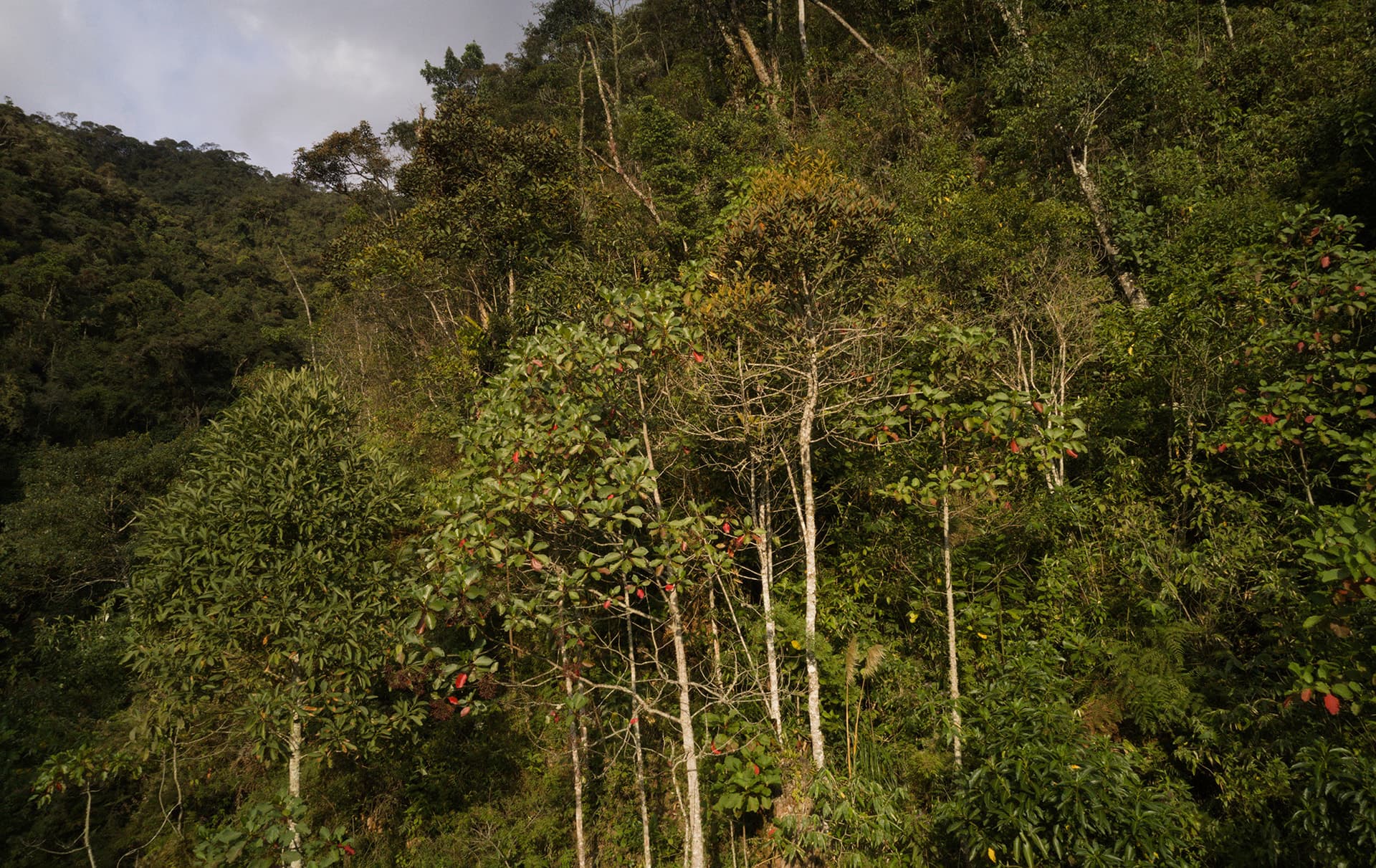
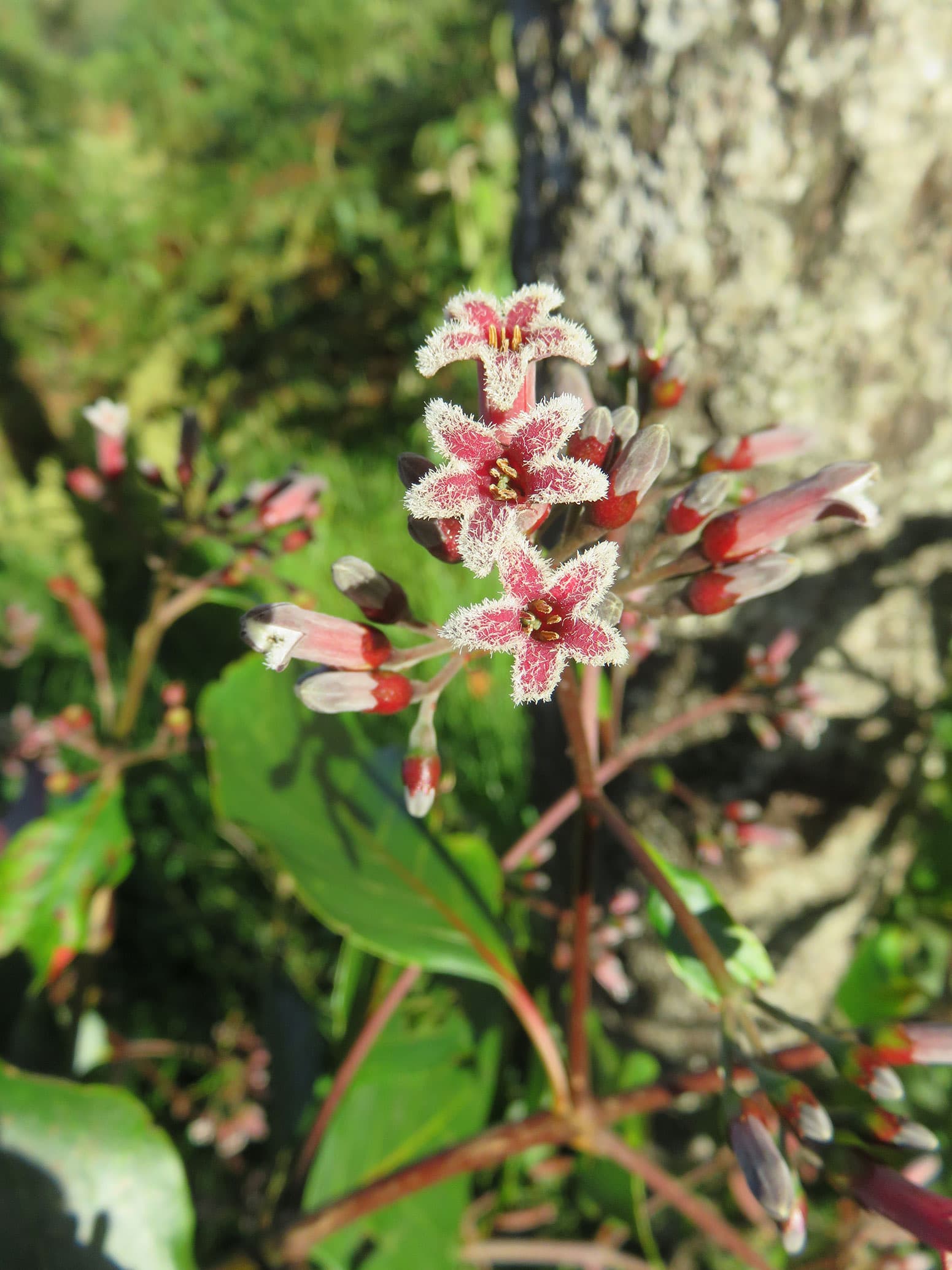
The cinchona trees follow the traces of water, from the mist of the hills that nourish them to the runoffs of the streams where they grow. Between lights and shadows provided by alders and other native species, the whole can be seen as a natural metropolis or as a green ocean in which its masts rise.
In the home of the Cinchona or cascarilla live yellow orchids and red bromeliads, various herbs and, among its branches, ferns that live off its sap. Lichens appear around its trunk and the afternoon thrushes announce rain. One can sense, among the mountains, vestiges of gentiles and mythical pre-Hispanic populations.
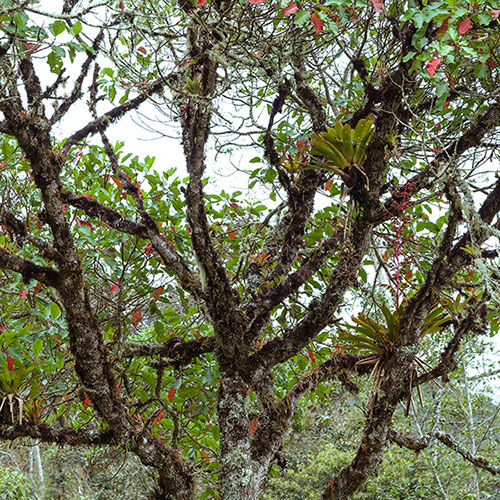
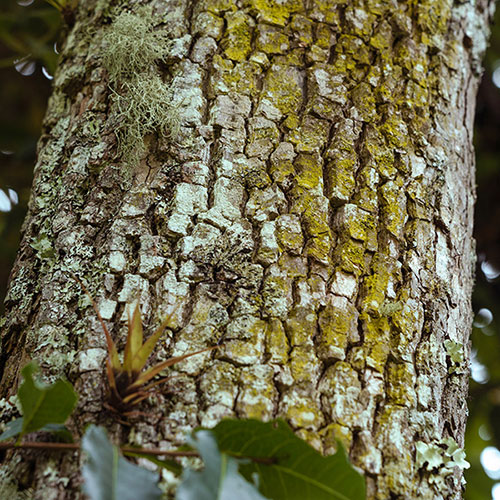
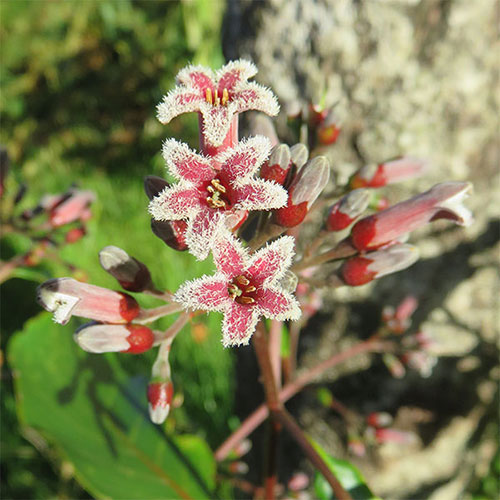
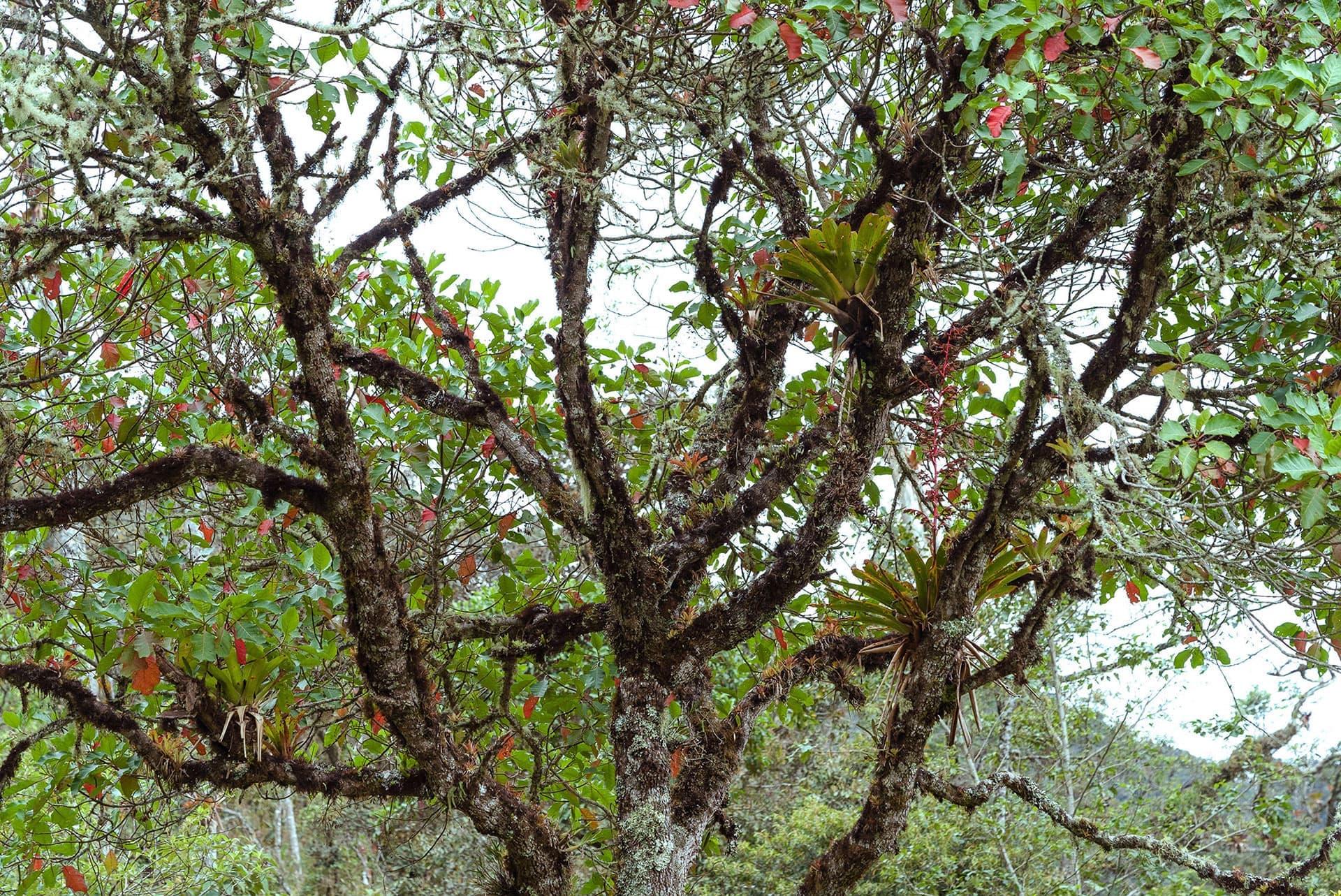
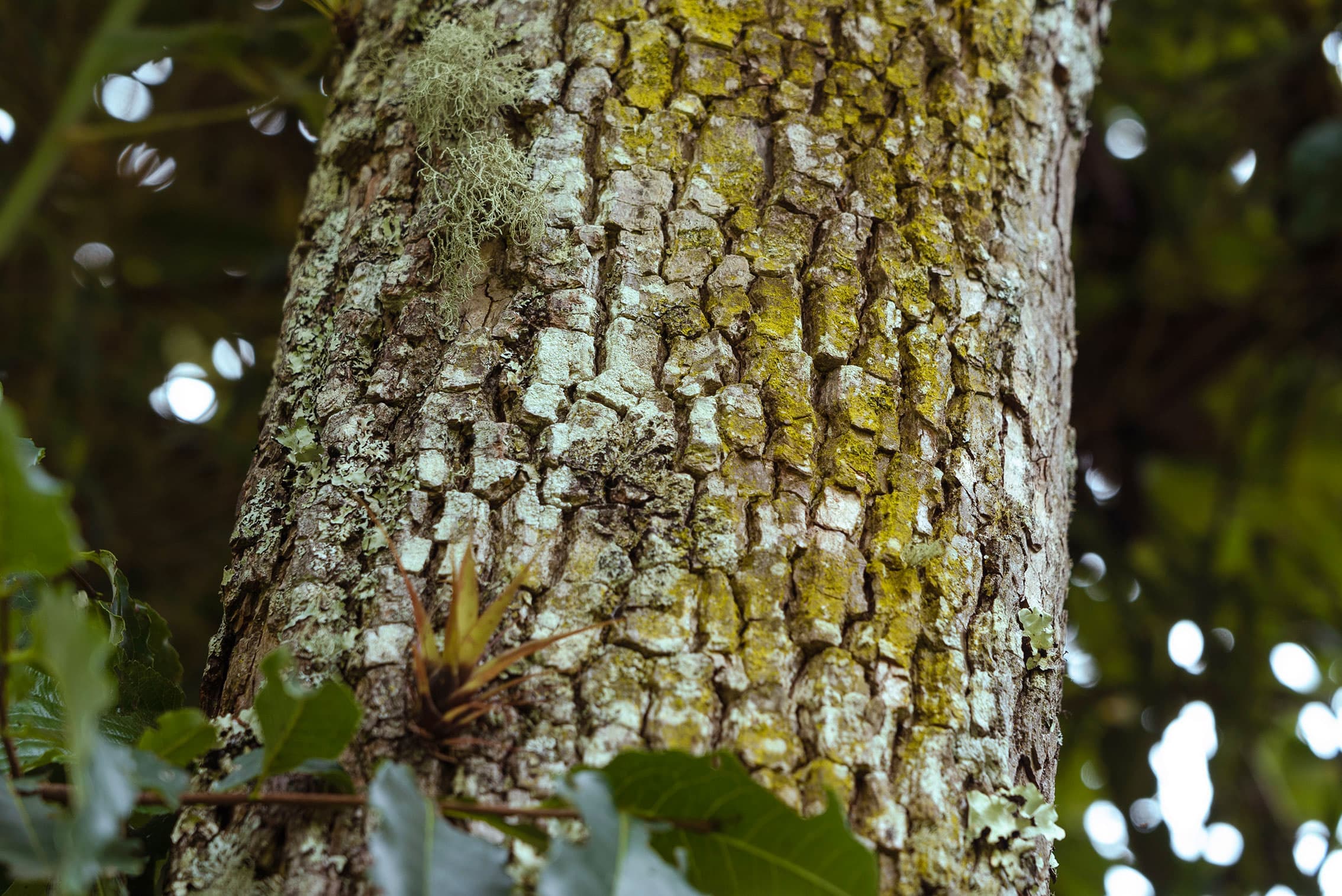
“But the forest will always live, without losing its spirit, without ceasing to be a forest, it will always be the first countryside, a city composed of trees that would be its green houses and palaces. The forest is the city of the valley, Cosmopolis, the populous city, leda by wind and water. The mystical and attractive city of a new myth, which would be the vegetable soul, which feeds the matter and the spirit by its vital essence of constant creation"
José María Eguren
In the forests of Kañaris
I found you my beautiful plant
Your red-green leaves beautify the green forest
“Chupica cascarilla” they call you, a very ancestral name
From you are born the pure waters that nourish the green forest
Through ancestral history, they call you the quina tree
Science calls you “Cinchona”
I call you “chupica cascarilla”.
César Augusto Lucero
Farmer and musician from Kañaris
"As some ancient traditions say, the tree of life grows upside down. The trunk and branches downward, the roots upward. The top sinks into the earth, the roots look up to the sky. It does not offer its fruits, but its origin. It does not hide under the ground the most intimate, the most vulnerable, but risks it out in the open: it delivers its roots, in living flesh, to the winds of the world".
Eduardo Galeano
About
Árbol de la fiebre is also a process of creative search, crossed by a continuous reflection born from its figure as a (contradictory) national symbol since we began to build this nation called Peru, 200 years ago.
There are historical constants that stem from modernity in Latin America, such as the appropriation of the natural world by the North Atlantic empires and the overexploitation of vital resources for the industrialization of the West; and in parallel, the enslavement and massacre of indigenous people in complicity with the governments of the day and the betrayal of those who were supposed to defend their communities but allowed their demise.
My previous project, Isla Azul/Rebelados, in which I uncover the Amazonian history of the rubber boom through an album of photographs, exposes the same historical pattern of interests and greed. As with the cinchona tree, representatives of the Peruvian state catalyzed social and ecological abuse. Through corruption and unequal power relations, foreign and local elites profited from their dominance in a neocolonial structure.
Although much has changed in Peru and other Latin American countries, much has been transformed on the epidermis of a corrupt and unequal status quo. In the 21st century, malaria persists and is now a disease associated with poverty.
The paradox of the Cinchona, as a representative of threatened ecosystems and container of ancestral knowledge, survives in a world dis/order that condemns us and at the same time opens opportunities for us: in this case, its great potential to revalue us thanks to discoveries that transcend the usefulness of its bark.
***
Árbol de la fiebre is a winning project of the Economic Stimulus for Culture 2020 awarded by the Directorate of Audiovisual, Phonography and New Media (DAFO) of the Peruvian Ministry of Culture.
Malú Cabellos